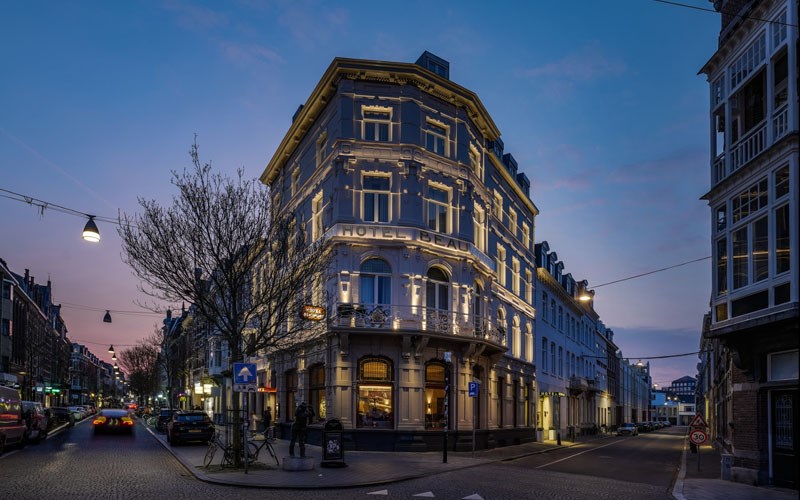
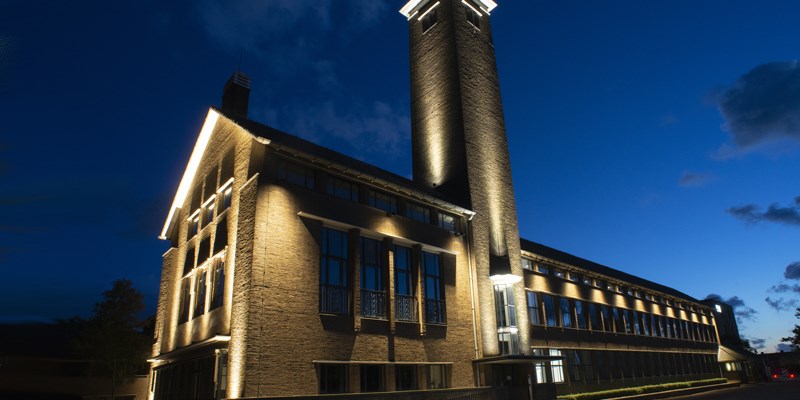
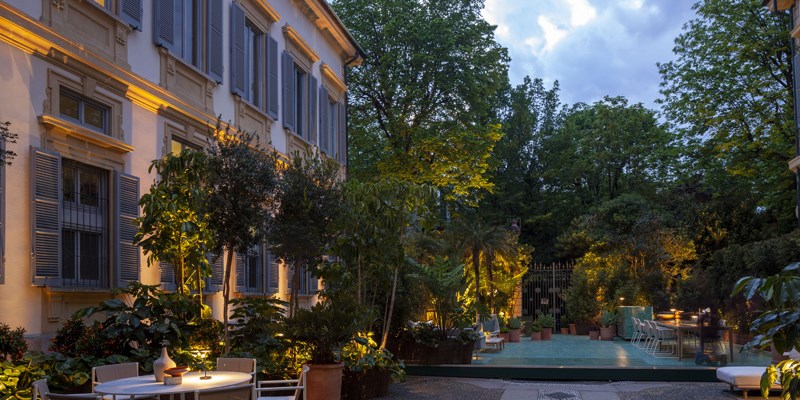
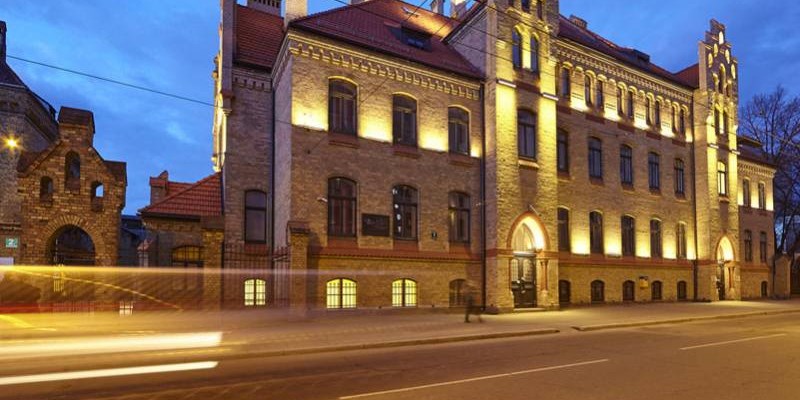
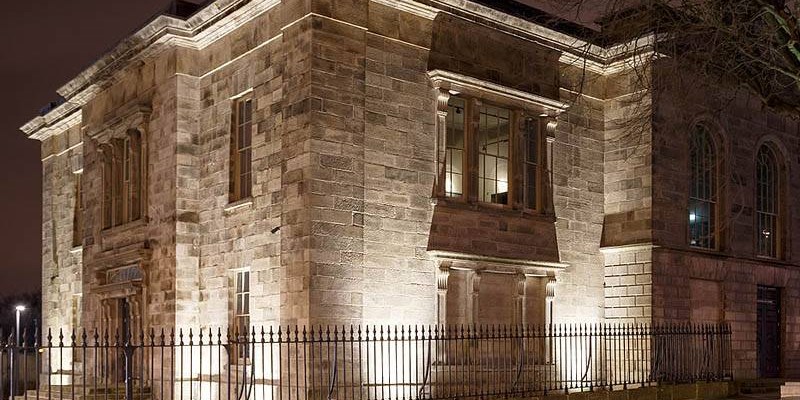
Located on the elegant Wycker Brugstraat in the center of Maastricht, Beaumont is a luxury boutique hotel that has been owned and operated by four successive generations of the eponymous family since 1912. Nowadays, it is one of the oldest privately owned, independently run hotels in the Netherlands.
After a large-scale refurbishment completed in 2004 by British architect David Chipperfield, Hotel Beaumont celebrated its 100th anniversary in 2012, having grown into a modern hotel with 130 rooms, a high-end restaurant, various meeting and banqueting facilities, and around 80 employees. In the same year, it was awarded the prestigious title of Royal Court Supplier, an honour reserved for companies that are at least 100 years old and distinguished by quality, reliability, and continuity.
Its rooms and public areas feature a classic style enriched with traditional elements that blend seamlessly with the character of the building, creating an understated, enduring elegance with a strong focus on comfort, service, and hospitality.
We use cookies to ensure that we give you the best experience on our website. If you continue to use this site we will assume that you are happy with it.
When you visit any website, it can store or retrieve information on your browser, largely in the form of cookies. This information could be about you, your preferences or your device and is used largely to make the site work according to your expectations. The information usually doesn't directly identify you, but it can provide a more personalized web experience. Because we respect your right to privacy, you can choose not to allow certain types of cookies. Click on the headers of the different categories to learn more and change the default settings. However, blocking certain types of cookies may have an impact on your experience of the site and the services we are able to offer.
Cookies for targeted advertising
These cookies can be set via our site by our advertising partners. They can be used by these companies to build a profile of your interests and show you relevant ads on other sites. They do not directly store personal information, but are based solely on the identification of your browser and your internet device. If you do not accept these cookies, you will receive less targeted advertising.
Performance cookies
These cookies allow us to count visits and traffic sources so that we can measure and improve the performance of our site. They help us to know which pages are the most and least popular and see how visitors move around the site. All information collected by cookies is aggregated and therefore anonymous. If you do not allow these cookies, we will not know when you have visited our site.
Functionality cookies
These cookies allow the site to provide enhanced functionality and personalization. They can be set by us or by third-party providers whose services have been added to our pages. If you do not allow these cookies, some or all of these services may not function properly.
Strictly necessary cookies
always on
These cookies are necessary for the operation of the site and cannot be deactivated in our systems. They are usually set only in response to actions you take that constitute a request for services, such as setting privacy preferences, logging in, or filling out forms. You can set your browser to block or have warnings about these cookies, but as a result some parts of the site will not work. These cookies do not store personal information.
Via Bulgaria 16 46042 Castel Goffredo Mantova – Italy Tel +39 0376 779483 Email [email protected]





















.jpg?width=800&height=400&mode=crop)